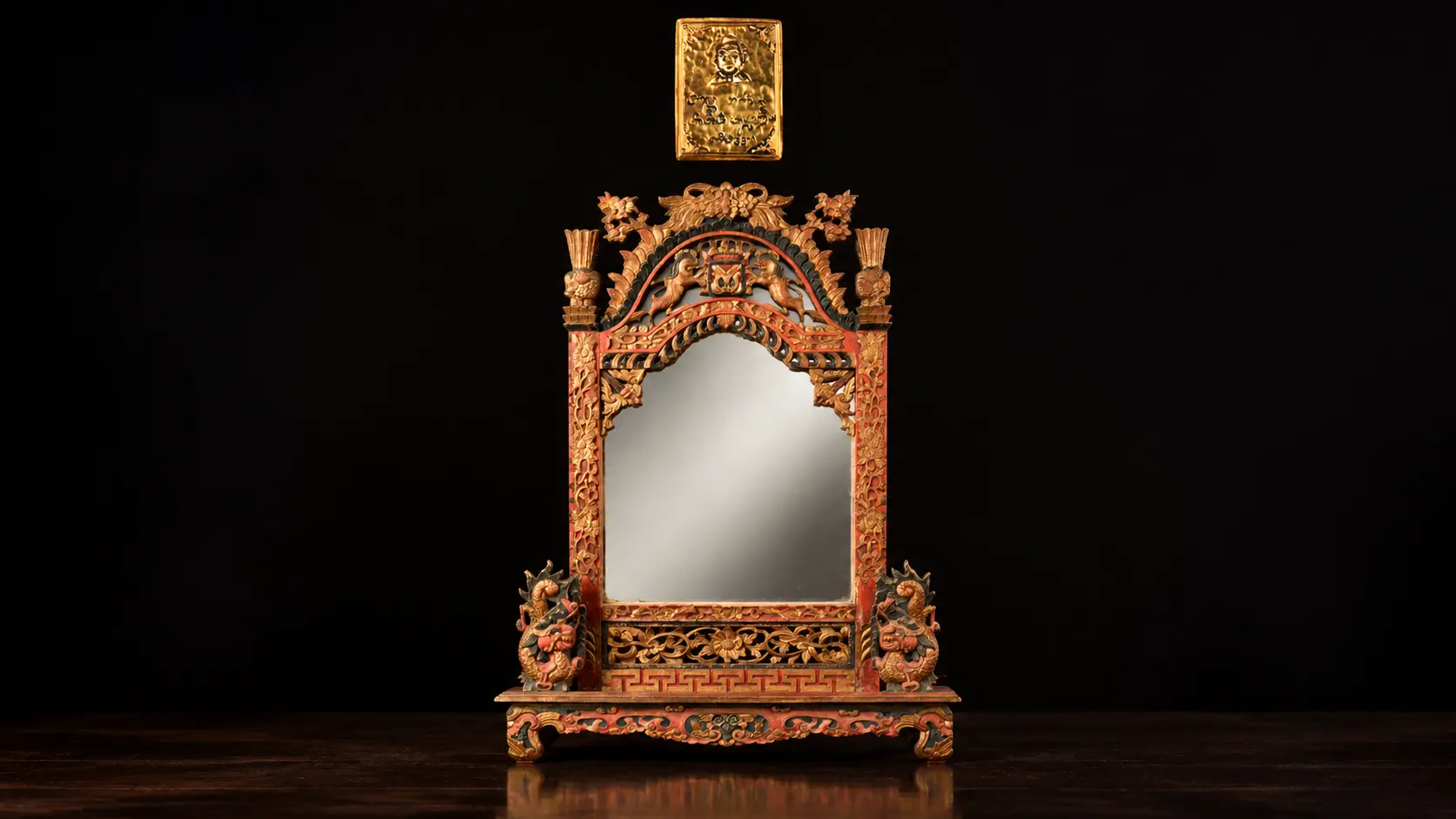
Today, a gift for a partner might be a book, watch, perfume, shoes, a bag, skincare, or clothes. In 1844, Danish trader Mads Lange chose something rather different for Gusti Ayu Kenyer, an ornate framed mirror whose inscription identifies it as a gift “for my wife.” Measuring about 125 by 85 centimetres, it was both a usable household object and an elaborate work of art. More than 180 years later, the mirror offers a glimpse of the personal side of a man better known for his role in Bali’s trading and political history.
Gift-giving often sits between practical needs and personal meaning. A watch helps someone keep time, a book reflects an interest, and perfume can become associated with a particular person or memory. The object itself matters, but so does the thought that went into choosing it. Lange’s mirror brings those two ideas together. It could be used in everyday life, yet its size, detailed carving and inscription make it feel carefully chosen rather than ordinary.
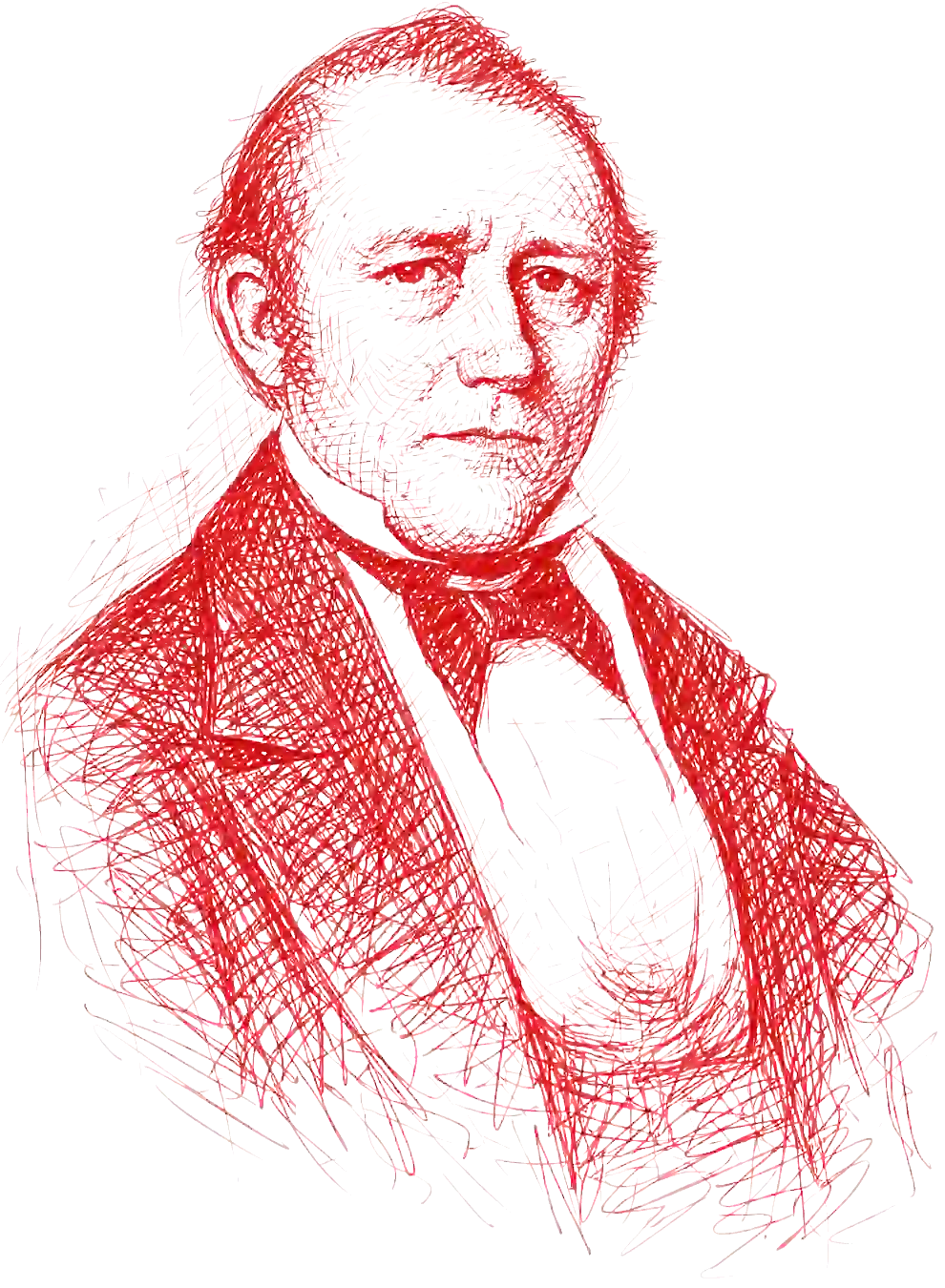
Mads Lange was born in Denmark in 1807 and built a life in Bali as a trader and intermediary who worked with Balinese rulers and Dutch colonial officials. Museum P.B.C. describes him as a Danish trader and mediator whose gifts included valuable keris, sculptures and carved cabinets. Such objects show how gifting could help build relationships in his world. The mirror is especially intriguing because its inscription points not to a ruler or business contact, but to a personal recipient.
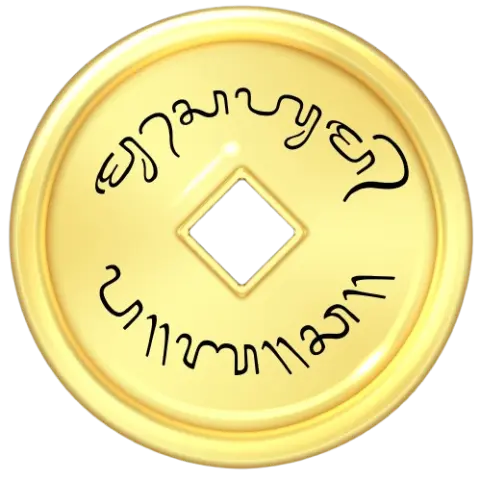
The museum label records a Balinese inscription translated as “For my wife. Mister Lange. 1844.” The wording is simple, and that simplicity is part of its power. It gives the object a date, a giver and a personal dedication, allowing the mirror to speak about a relationship rather than only an artistic style. Instead of guessing what Lange might have said in a letter or conversation, we have a physical object bearing a message attributed to him.
The recipient is identified as Gusti Ayu Kenyer, associated with Tabanan palace. Historical writing also refers to her as Nyai Kenyer and identifies her as a Balinese partner from Tabanan. Names and relationship terms can vary between historical sources, so it is worth avoiding assumptions that go beyond the inscription. What the museum label makes clear is that the mirror was dedicated to Kenyer as a gift for Lange’s wife.
The mirror is made of wood, pigments, mirrored glass and gold leaf. Its tall frame combines Balinese birds, foliage and geometric patterns with naga heads formed from flowers, Chinese dragons near the base, and two lions flanking a crowned shield described as Danish pseudo-heraldry. These details make the mirror more than a plain reflective surface. Its craftsmanship gives it a strong presence, bringing several cultural influences into one object.
The frame also hints at how objects and ideas crossed cultures in nineteenth-century Bali. Rather than belonging neatly to one visual tradition, it combines motifs associated with local craftsmanship with elements pointing toward China and Denmark. That mixture fits the broader world in which Lange lived and worked, moving between Balinese courts, regional trade networks and European colonial interests. The design cannot tell us who selected each motif, but it preserves the layered character of the time.
At the most practical level, a mirror lets someone see their reflection while dressing or preparing for the day. Given its size and ornate frame, this one may also have served as a striking furnishing in a palace interior. A gift can become meaningful because it forms part of someone’s daily routine, not only because it is expensive or rare. Here, usefulness and beauty are part of the same story.
Mirrors have also held meanings beyond grooming in some Indonesian Hindu-Buddhist traditions. Museum Sonobudoyo’s discussion of the ancient bronze mirror known as darpana describes both everyday uses and ritual associations. That broader context does not prove that Lange’s 1844 mirror was intended for a ritual purpose or that he meant to send a specific spiritual message to Kenyer. It simply reminds us that mirrors could carry associations beyond reflection, depending on their setting and the people who used them.
The most romantic reading may be the one the evidence supports. Lange chose a beautifully decorated object, had it dedicated to his wife, and left a message that has survived for generations. We cannot know whether he intended it to symbolize beauty, intimacy or prosperity. But the dedication makes the gift personal, while the craftsmanship suggests it was made to be valued.
Mads Lange is often remembered through trade, diplomacy and his relationships with Balinese rulers. Museum P.B.C. notes that many objects associated with him were gifts, sometimes marked with his name or scenes from his life, offering insight into him as both a public figure and a person. This mirror shifts the focus from diplomacy to a private relationship. It reminds us that the people who shape history also leave behind ordinary human gestures.
That is why the mirror still feels relevant. Modern gifts can be useful, fashionable or expensive, but the ones we remember often carry a story. Lange’s mirror combines function, artistry and a message addressed to one person. Its meaning does not depend on inventing a grand romantic legend. The surviving inscription is already enough to make it intimate.
Today, the mirror forms part of a wider record of Mads Lange’s life in Bali. Museum P.B.C. preserves objects connected with Lange and the cultural exchanges of nineteenth-century Indonesia, gathered through the work of collector Peter Bloch. The collection includes weapons, sculptures, carved furniture and other historical pieces, each offering a different view of the world in which Lange moved. Together, they help visitors see the man behind the public reputation.
If this mirror’s story has made you curious about the wider history around it, visit the Mads Lange story at Museum P.B.C. and view the museum’s collection rooms. The mirror is a reminder that history is not made only of treaties, trade routes and royal courts. Sometimes, it is also held in an object given to someone loved, with just a few words left behind.